A major challenge for GBV victims in Rwanda is establishing paternity, which is often difficult due to a lack of evidence, particularly when paternity is denied. This frequently results in lost court cases and the denial of child support. Financial difficulties, logistical constraints, and limited access to DNA testing create significant barriers to justice, preventing mothers from securing the support their children need.
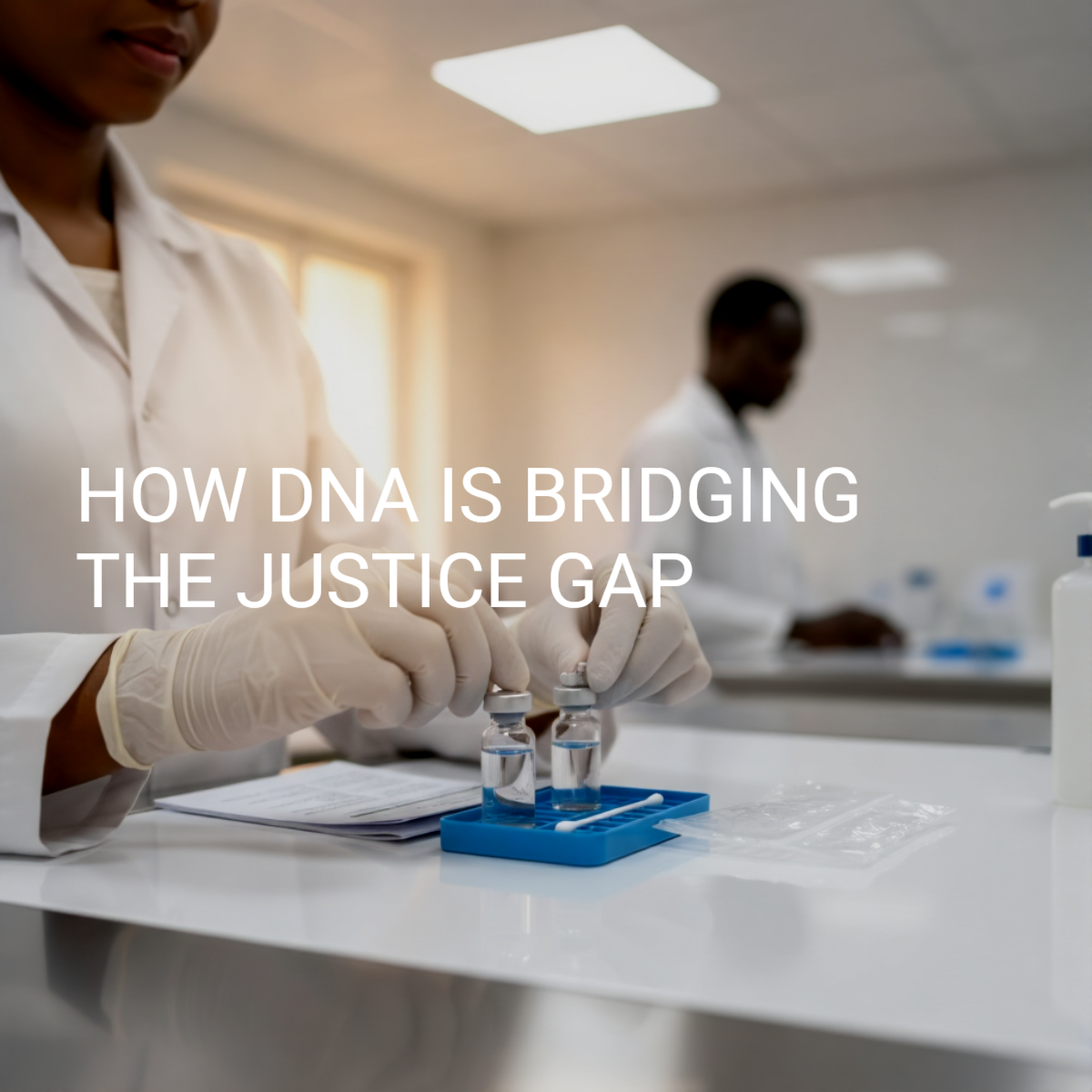
Recognizing the critical need for conclusive evidence in paternity cases, Haguruka actively works to provide accessible DNA testing services. Although the demand for these services far exceeds the organization’s resources, Haguruka continues to respond tirelessly. In addition to DNA testing, the organization offers legal representation to those who require it.
Through its DNA testing services, Haguruka has successfully supported numerous cases, enabling mothers to establish the paternity of their children. Positive test results have influenced court decisions, compelling fathers to acknowledge their responsibilities and providing mothers and children with a legal basis to claim child support. Haguruka’s commitment has created a meaningful impact on the lives of mothers and children, empowering them to seek justice and secure legal recognition.
STORY ON DNA AND HAGURUKA SUPPORT
In 2010, after finishing school, I met a man and became pregnant. Unfortunately, our relationship ended, and I had to drop out of school. It was a tough and painful journey.
Four months after giving birth, I began seeking justice for my son. I filed a case in the Muhoza Primary Court, claiming that the father refused to take responsibility. However, my case was unsuccessful due to a lack of evidence and the inability to perform a DNA test, which was crucial for my trial. This setback plunged me into a bitter and painful existence. The court ruled against me, citing insufficient evidence to prove his paternity.
Without the necessary proof, I embarked on a long and arduous journey. I had to register my son as a child of a single parent, and when he started school, the questions about his father were shocking for both of us. I used my limited resources to support his education through nursery and primary school. However, when he reached senior five, I could no longer afford the fees. After discussing my situation with the school director, he advised me to seek assistance from MAJ at the district. Unfortunately, MAJ could not provide help but referred me to Haguruka.
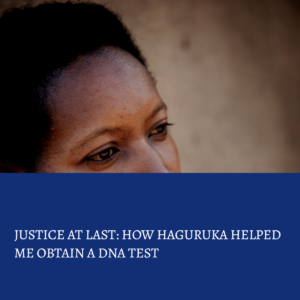
Haguruka stepped in and helped me obtain a DNA test, which served as crucial evidence in my case. When I received the call with the results, I screamed and cried tears of relief. People around me began to wonder what had happened. I started to process everything, reflecting on the 12 years I had spent seeking justice, knowing that the father of my son was aware of the truth but had chosen to play with my emotions.
Haguruka has changed my life forever, and I am eternally grateful for their support.