
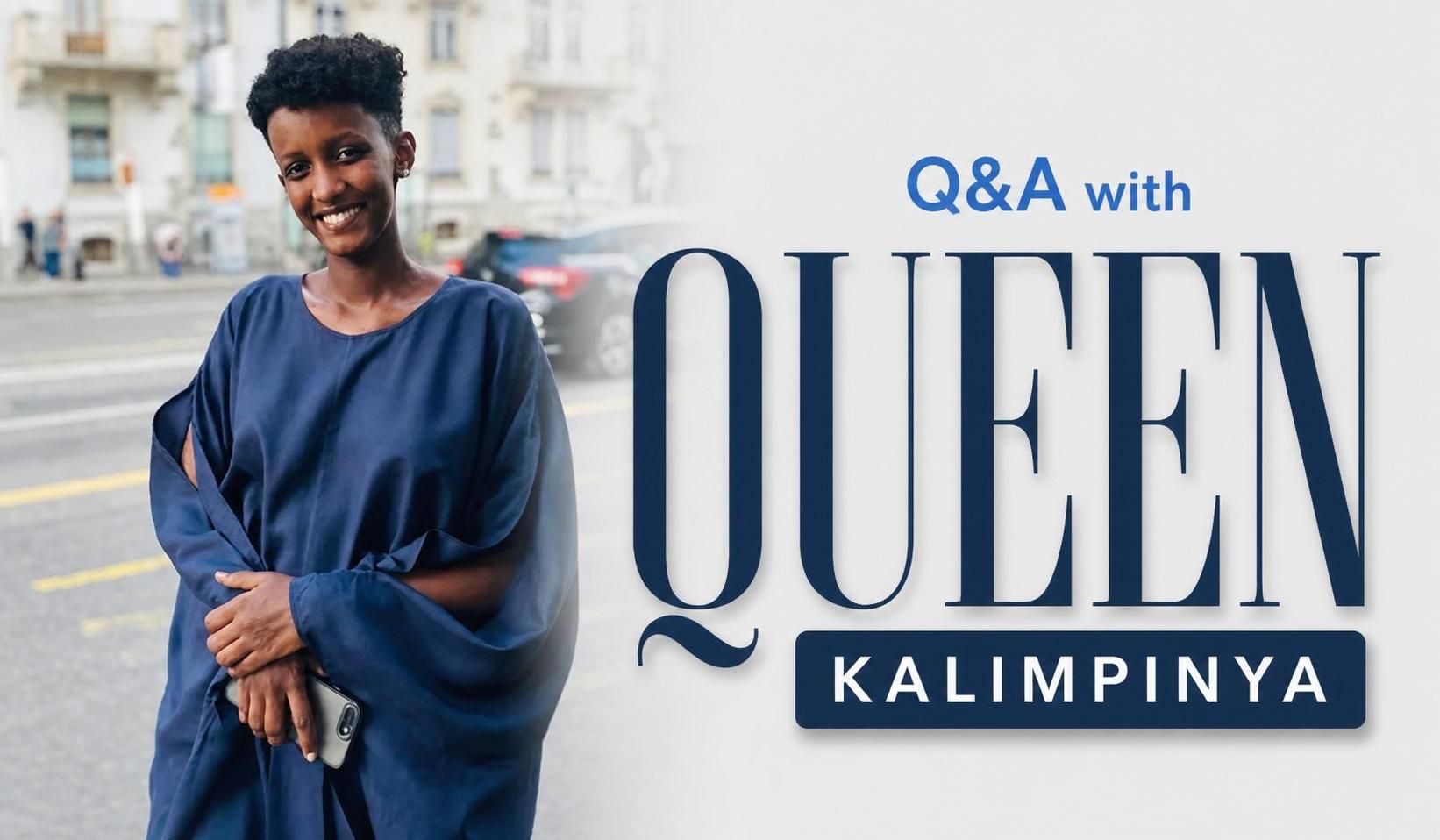
From Miss Rwanda contestant to rally driver and rights advocate, Queen Kalimpinya has never followed the expected path. In HAGURUKA Magazine Issue 02, she discusses her journey, the stereotypes she has challenged, and the causes she supports.
What inspired you to join Miss Rwanda, and how did it shape your life?
It was never my plan – I was not good at catwalks and only joined to accompany a friend who insisted we go because “we are not busy.” Surprisingly, I passed the auditions. Miss Rwanda was a wonderful experience; I learned public speaking, Rwandan history, media skills, and met influential people. It built my confidence and changed my life, exposing me to new opportunities.
What was your Miss Rwanda project about, and what inspired it?
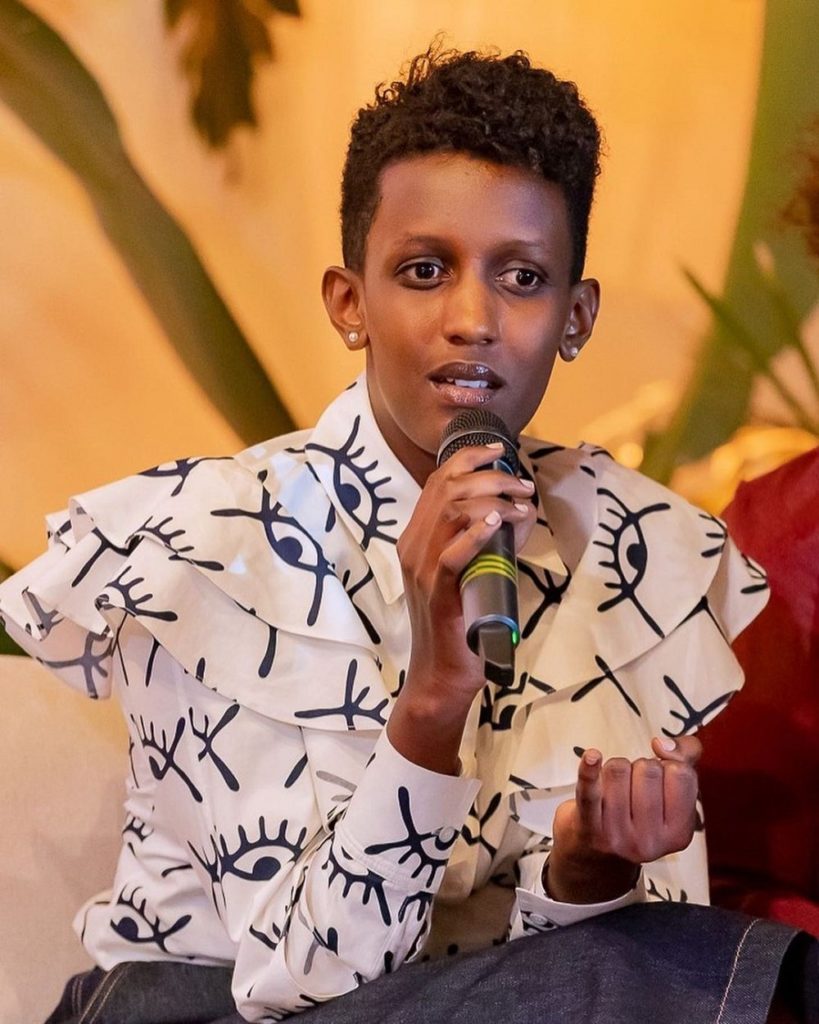 My project focused on reducing maternal mortality and teenage pregnancy. It was inspired by a friend from Primary 6 whose mother died giving birth to her tenth child, which devastated her – disrupting her education and forcing her to take on family responsibilities at a young age. I wanted to help through NGO interventions and schools, as these issues persist.
How did you get into rally driving, and what challenges did you face as a woman in the sport?
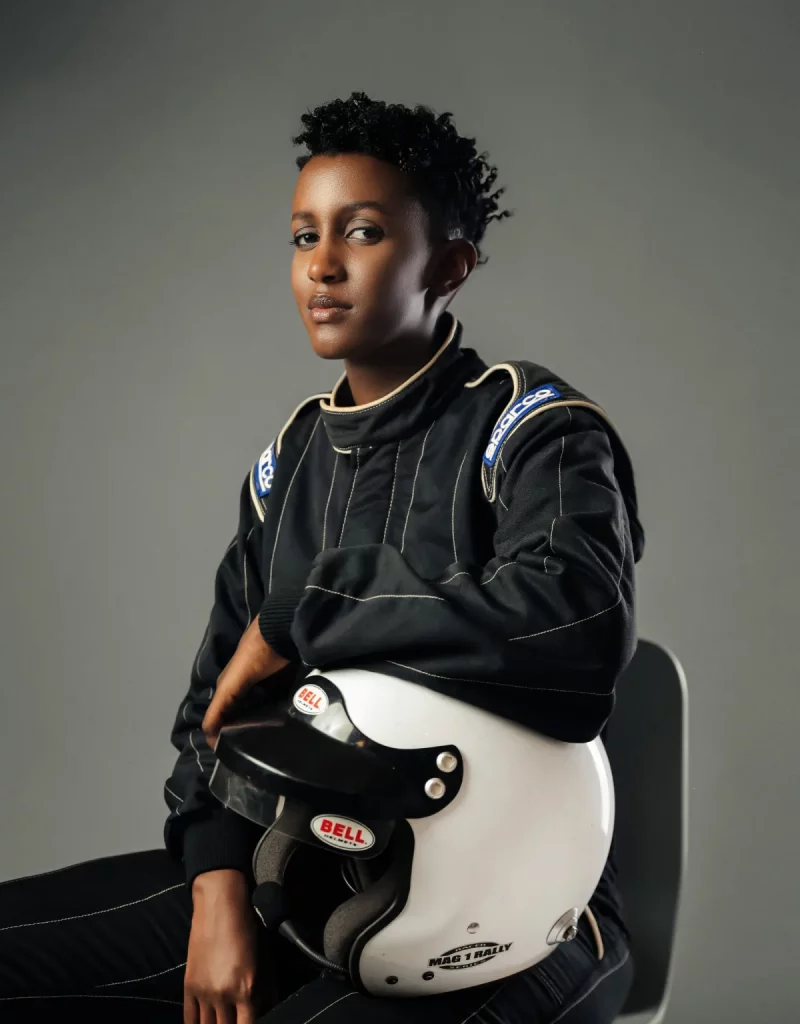
After high school, I bought a motorbike and started riding. The Federation of Motorsports noticed me after Igihe posted a photo saying, “There is a woman who rides a motorcycle,” and encouraged me to try racing. I started as a co-driver and later became a driver. Challenges included family doubts (they saw it as dangerous and questioned why a girl would do it), and practical issues such as the lack of changing rooms at races since there were few women. Not everyone understood, but I received more support than discouragement.
What was your biggest setback in rally, and how did it motivate you?
My first rally as a co-driver – we finished last due to mechanical issues. It was embarrassing, especially with the media following me as Miss Rwanda, and I downplayed it by saying we were “eighth” out of eight teams. However, it motivated me to train harder, learn, and persist.
What does discipline mean to you, and how do you practise it daily?
Discipline is fundamental because you reap what you sow – everything comes back to you. I practise it by prioritising my time, being protective of my schedule, and focusing on what is urgent and important. It helps me balance racing, work, and advocacy, even if it is not always perfectly balanced.
What are the sacrifices of being a young role model, and how has it affected your personal life?
At first, it felt like a burden – I wanted to do what everyone else did, but my actions are public, so I had to limit my freedoms. It requires some privacy and sacrifices, but it has become a positive responsibility that keeps me accountable. I have normalised it as part of my life; things you cannot do in public might not be worth doing anyway. It has been more of a blessing than a burden.
How do you balance rally driving, work, and advocacy with your personal life?
It is impossible to achieve perfect balance – I am always tired. I prioritise by being protective of my time, focusing on what is urgent and important, and finding ways to make things work. I look to role models like the First Lady and remind myself it is possible, even with a packed schedule.
 What message do you have for young women pursuing passions in male-dominated fields like rally?
Go for it! Start with what you love – everyone has something they excel at. Persistence is important; you may not win at first, but if you keep going, you will grow. Do not focus solely on the end goal; take it step by step. Passion drives success.
What was your experience naming a baby gorilla at Kwita Izina?
I was honoured to be selected. My baby gorilla, Impundu, is now over two years old and doing well. It showed me that the country recognises our work – our voices are heard, even in passions like racing. It was a privilege and overwhelming.
Who are your role models, and what do you learn from them?
My role models include my family (grandmother, mother, sisters), H.E. President Paul Kagame, the First Lady, and people around me, such as my boss. I learn unique things from each – they challenge and teach me every day.
What advice would you give your younger self in primary or secondary school?
Believe in yourself and be strong and courageous. In Rwandan families, parents do not often praise girls for their beauty or talents – they focus on corrections, so I grew up not thinking much of my abilities. I never expected to succeed in Miss Rwanda, so I would tell myself: You are capable, even if you feel unprepared.