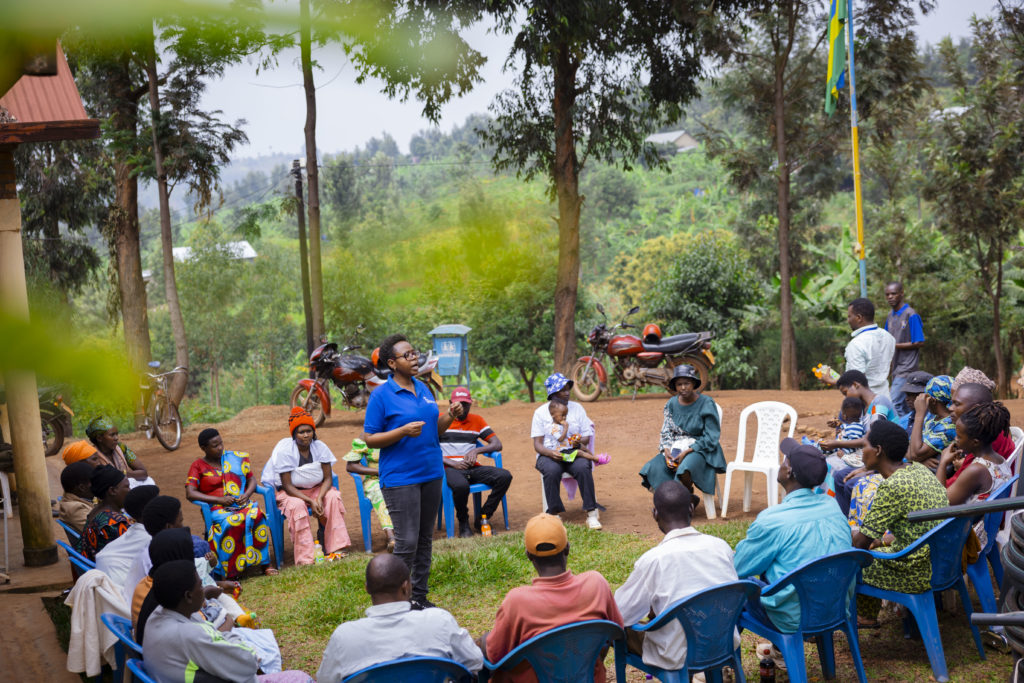
Much of what is called women’s empowerment depends on the men in their lives. Fathers, husbands, sons, and brothers hold power in ways that are often subtle and sometimes direct. Conversations about women’s rights that ignore this reality do not go far. At Haguruka, the work is not just about protecting teenage mothers; it is also about educating the people around them. The aim is not only to provide services but to help families stay together in a way that is honest and practical.
With the support of the BB Energy Foundation, Haguruka facilitates intergenerational dialogues in Gasabo and Musanze, bridging the gap between teen mothers and their parents. Teenage mothers in Rwanda are at a higher risk of gender-based violence, including conflicts within their families.
 Haguruka brings teenage mothers and their parents together to speak to each other openly. In a typical Rwandan home, a daughter would not sit across from her father and explain what she hopes her life could still become. These meetings change that. They create space for difficult conversations. They do not guarantee forgiveness or understanding, but they give families a chance to try.
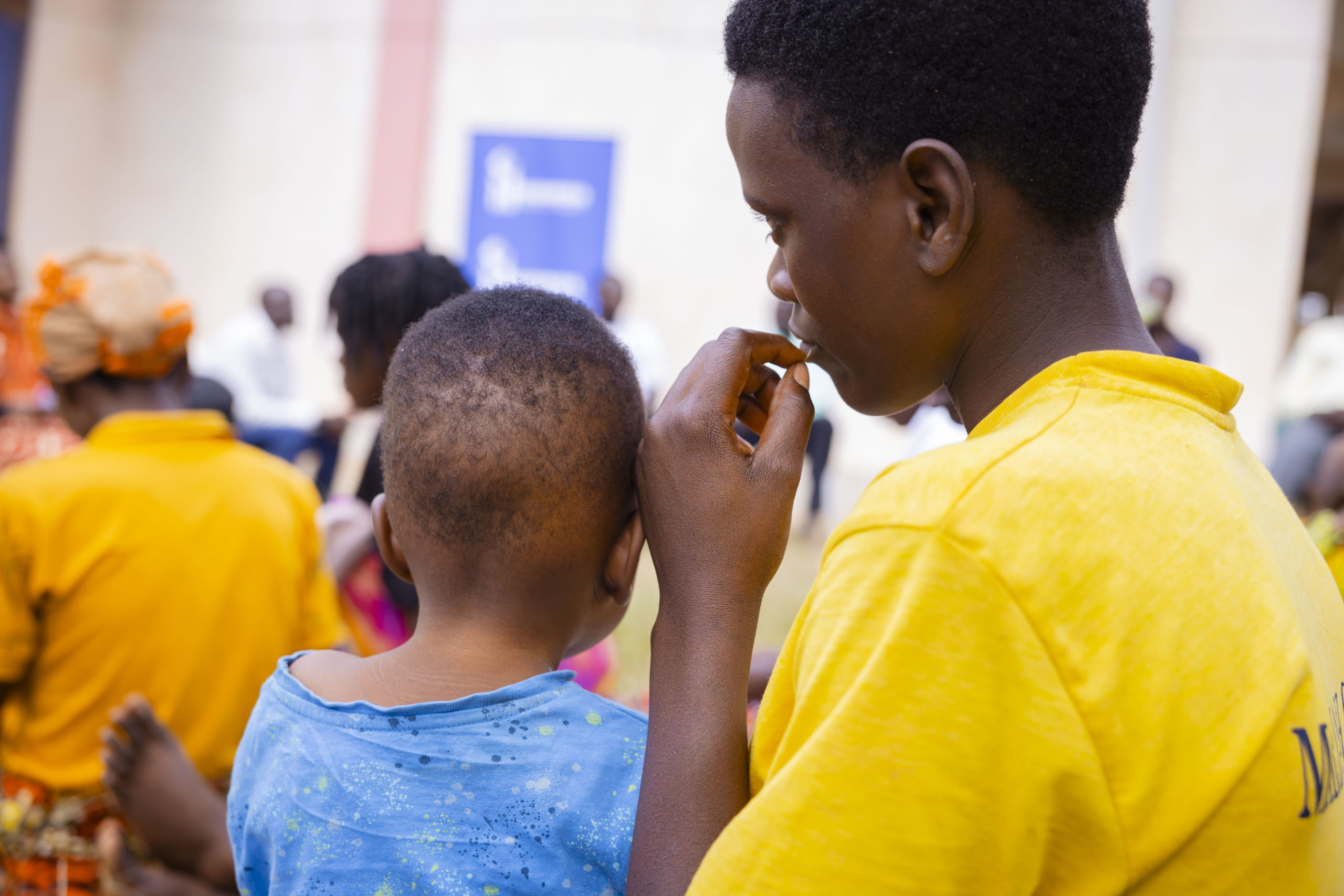
One girl, Diane, said she had a child at 17. Her family was ashamed, and she left school. They stopped discussing her future. Then the sessions began. She said, “We had never calmly talked about my future until we started the meetings. I have healed. I now see that my future could still be bright.” Her story is not unusual. Many girls speak of fear, and many fathers come to the sessions unsure of what to expect. Slowly, things change.
This approach is supported by research. A study in Nigeria, published in the Journal of African Studies and Development, showed that when fathers supported their daughters’ social involvement and education, outcomes for young women improved significantly. The researchers noted that “empowerment is most successful when male family members are engaged in the process” (Olujide et al., 2017).
The project offers a structured package that includes training on sexual and reproductive health, nutrition, financial literacy, and basic rights. These lessons are designed for both the teenage mother and her family. The aim is to help families become more stable and capable of supporting their daughters beyond the crisis of early pregnancy.
This is in line with findings from the Reproductive Health Journal, which concluded that adolescent parenting programs are most effective when they strengthen the entire household’s ability to cope, not just the mother’s individual skills (Pallitto et al., 2023). Sustainable change requires that the household dynamic shift—not only the girl’s behavior.
The work is emotional and structured. The conversations are guided, the information is clear, and the support is continuous. By staying focused on both the teenage mother and her family, the program prepares families to function better in the future.
This model does not compete with the need for safe spaces for women; it complements them. Girls need to heal, but they also need the people around them to change. Haguruka’s model respects this reality. It does not treat teenage mothers as isolated cases; it treats them as daughters living in families that—with the right tools—can still offer support.